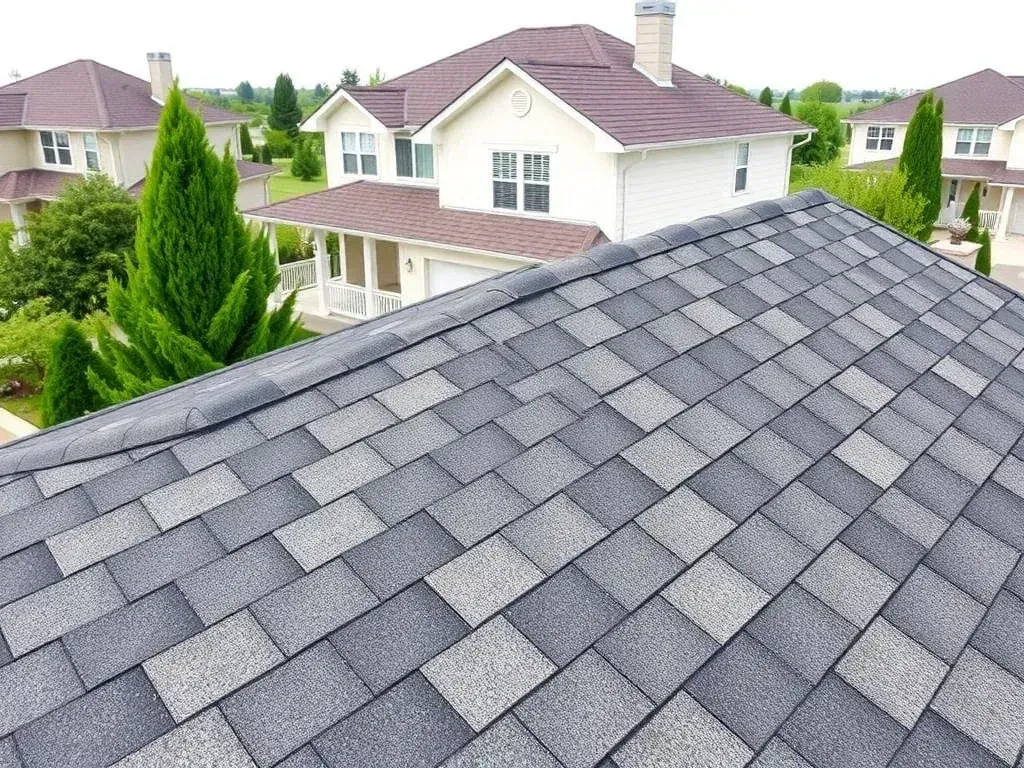
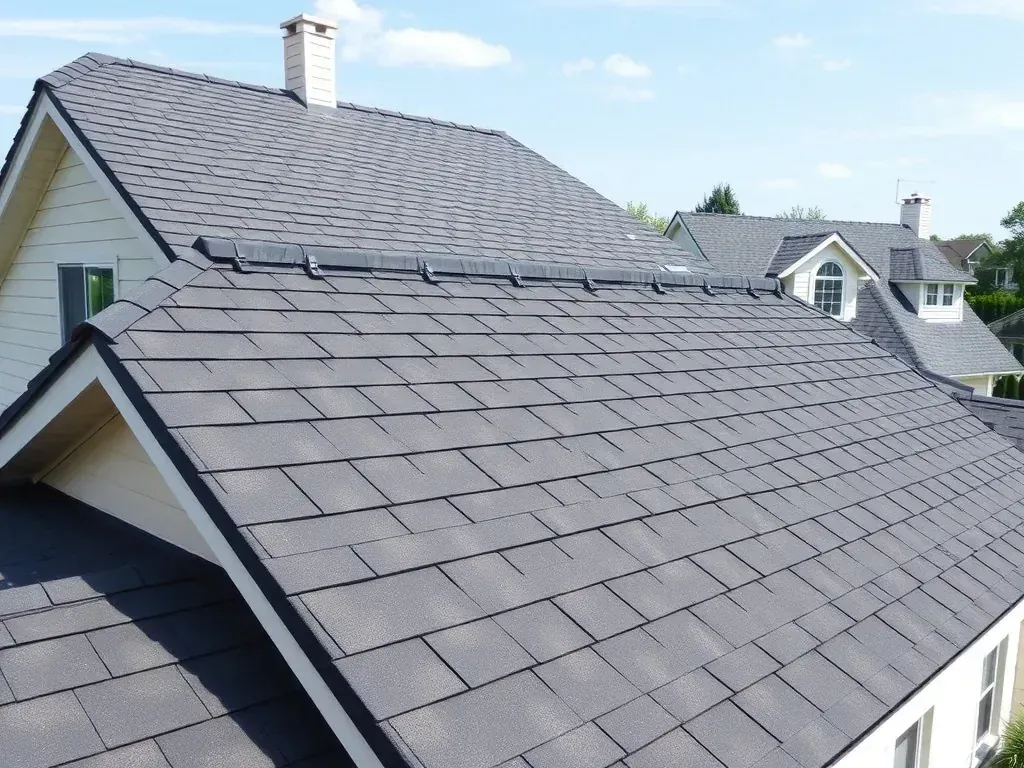
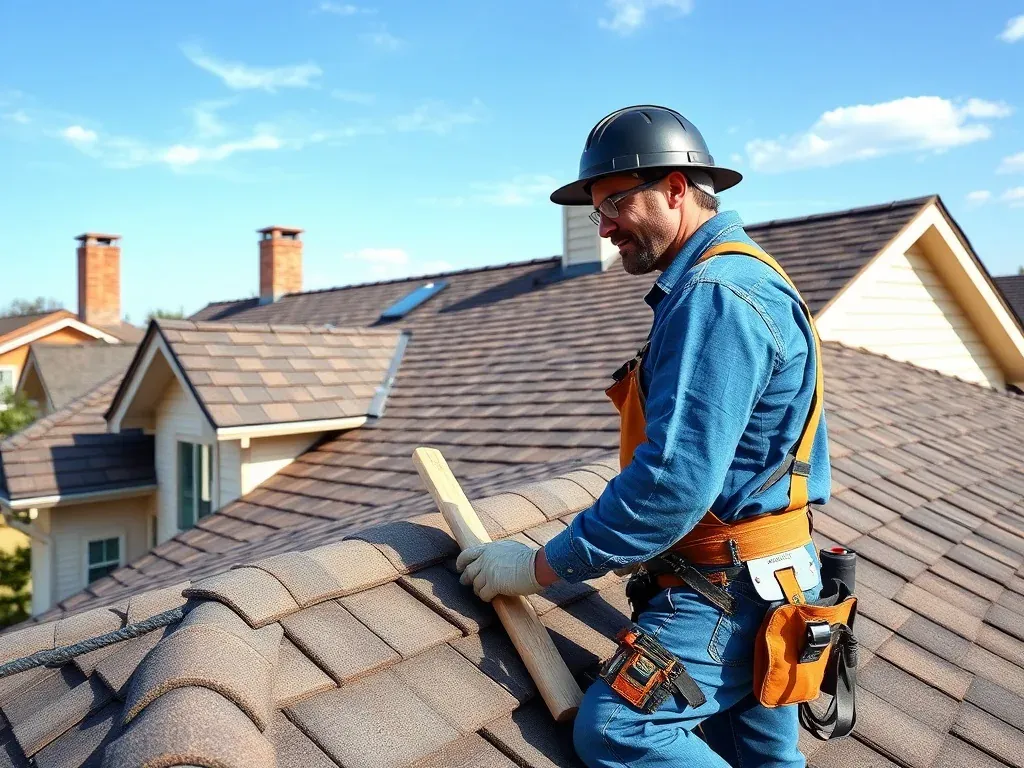
Roof Coating in Nashville, TN
Nashville Roof Master stops small roof problems from turning into full replacements by sealing open seams and recoating worn surfaces before water finds its way in. Call 6156160840 for a free roof estimate on a flat or low-slope rooftop. We coat residential roofing and commercial roofing alike, and we can walk you through financing if the number needs stretching over time.
Call 6156160840Roof Coating: What It Does for a Nashville Rooftop
Roof coating is a fluid-applied membrane that seals an aging roof and buys years of service before you pay for a tear-off. In Middle Tennessee, hot summers and spring hail age a rooftop faster than most owners expect.
A coating is not paint. Paint sits on the surface and flakes within a season. A coating bonds to the substrate, stretches as the deck moves, and carries a measurable dry film thickness you can verify.
Every job starts with a roof condition survey. We take moisture readings, open a seam or two, and tell you plainly whether coating will work or whether a replacement is the honest answer.
Roof Coating Warning Signs You Should Not Ignore
Water rarely announces itself. It wicks along the deck, soaks the insulation, and shows up as a ceiling stain weeks later. Here is what we look for on the roofline.
- Ponding water that still sits on the rooftop 48 hours after a hard rain.
- Blistering where trapped moisture pushes the membrane up into a bubble.
- Seams peeling open, or alligatoring that spreads across the whole surface.
- Granule loss on asphalt shingle that leaves the mat showing through.
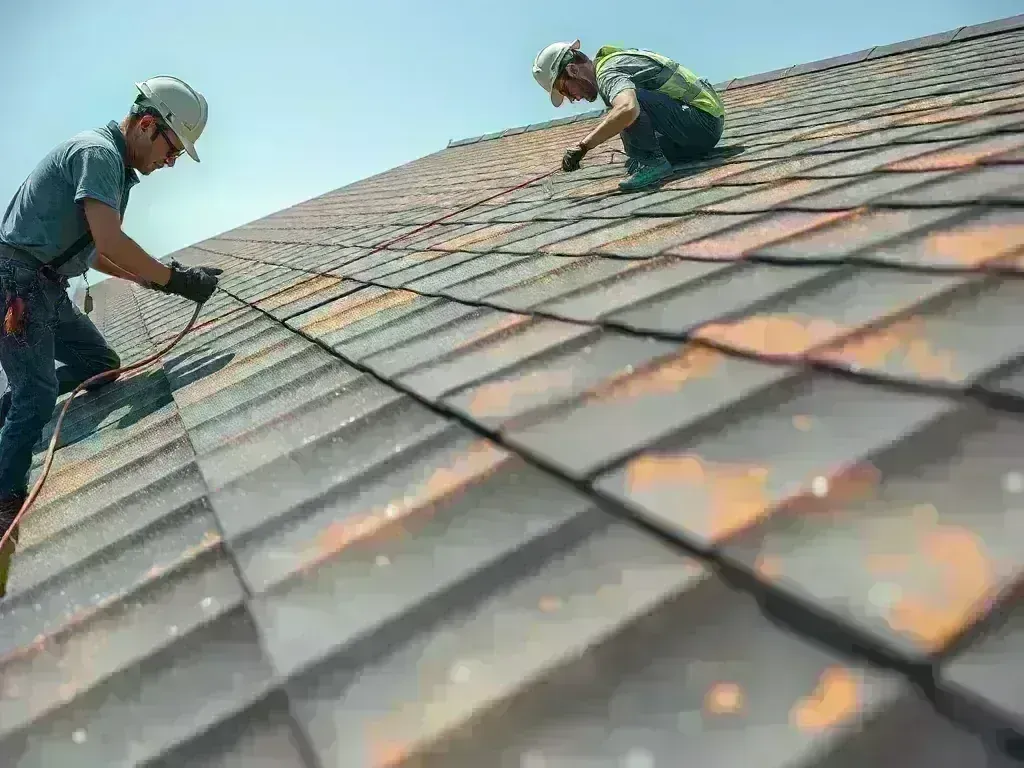
- UV degradation that dries the surface until it flakes and chalks underfoot.
- Rust at the fastener heads on a metal panel roof.
- Sag or soft spots where decking has taken on water and started to settle.
- Rot and decay in the sheathing, which no coating can mend.
Roof Coating Materials: Silicone, Acrylic, and Polyurethane
The right coating depends on your deck, your roof pitch, and how long water stands after a storm. We match the product to the roof instead of the other way around.
- Silicone coating is the most reflective option and the correct pick anywhere ponding water lingers.
- Acrylic coating is an elastomeric coating built for dry, sloped surfaces where the budget matters.
- Polyurethane coating handles foot traffic and hail impact better than the other two systems.
- An elastomeric coating moves with the roof instead of cracking at the first hard freeze.
- Reflective white finishes drop surface temperature and ease the load on your attic.
- Primer systems, including asphalt and rust-inhibiting primers, decide whether the finish ever bonds.
- Reinforcing fabric laid into the repair coat adds tensile strength at seams and penetrations.
- Roof cement and mastic patch blisters and open laps before the topcoat goes down.
- Coverage rate tells us how far a pail actually spreads, so we buy by square footage, not by guesswork.
Roof Coating Cost in Nashville: What Drives the Number
Coating usually costs a fraction of a full replacement, and we quote it as a line-item estimate so you can see every material and labor hour. Most coating projects in this market land between roughly $1.50 and $4.50 per square foot installed.
- Roof size measured in roofing square sets the base number before anything else.
- Surface preparation, including pressure washing and scraping, is often the largest line item.
- Coating type matters, since acrylic runs less than silicone and polyurethane sits at the top.
- Low spots that hold water need extra material built up so the rooftop drains correctly.
- Access drives labor, because a ladder-and-harness job costs less than one needing scaffold.
- Recoating over an existing coating takes different prep than starting from bare substrate.
We will not quote a firm number over the phone and pretend it holds. Prices depend on what the roof condition survey actually finds, and the estimate is free.
Our Roof Coating Process, Step by Step
Coating is a sequence, and skipping a step shows up as a blister two summers later. Here is how we run a job from the first walk-through to final cleanup.
- Free roof estimate: we walk the roofline, check the roof deck from above and the attic from below, and photograph every problem area.
- Roof condition survey: we test moisture content, map the seams, and mark what gets patched before any coating is ordered.
- Preparation: a pry bar pulls loose fasteners, a roofing shovel scrapes failing material, and we haul debris to a dumpster set on site.
- Primer and repair coat: primer goes down first, then reinforcing fabric and a squeegee-applied repair coat at seams and penetrations.
- Finish coats: we apply topcoats by roller application or airless sprayer to a measured dry film thickness, checking wet film thickness as we go.
- Cure and inspection: we respect the cure time on the manufacturer data sheet, then walk the finished roof with you and hand over the written warranty.
Most residential rooftops take two to four days, weather depending. Commercial buildings can run a week or longer.
What We Inspect Before Quoting Any Roof Coating Job
A coating only performs as well as the roof underneath it. These are the parts we check on every walk-through, from the deck up to the ridge.
- The roof deck and sheathing, whether plywood, OSB, or older board, because soft panels mean coating is the wrong fix.
- Truss, rafter, and joist ends inside the attic, where we look for sag and decay before we commit to a number.
- Ridge, ridge cap, and ridge beam, plus hip, gable, mansard, and gambrel profiles that change how water runs.
- Ridge vent, soffit vent, attic fan, and insulation, since trapped heat and poor ventilation shorten coating life.
- Flashing at every transition: step flashing, counter-flashing, chimney flashing, pipe flashing, and apron flashing.
- Pipe boots and vent boots, the rubber collars that crack long before the membrane does.
- Drip edge, eave, rake, verge, fascia, soffit, and overhang, where wind-driven rain finds its way in.
- Valley, parapet, and coping on commercial buildings, along with scupper and downspout drainage.
- Gutters and gutter accessories that have pulled loose from the fascia board.
- Skylight and dormer curbs, two of the most common leak points we find.
- Underlayment layers, including synthetic underlayment, roofing felt, tar paper, and ice-and-water shield, on any sloped section.
- Chimney masonry, where we repoint instead of coating, and any canopy or awning attachment that has pulled free.
Which Roof Types We Coat, and Which We Do Not
- Built-up roof systems with a tar and bitumen surface take silicone coating extremely well.
- Modified bitumen and asphalt roll roofing can be recoated once chalk and oxidation are removed.
- TPO, EPDM, and PVC membrane roof decks each need a compatible primer and a coating rated for that membrane.
- Standing-seam panel and corrugated panel metal roofs get primed at every fastener and anchor point first.
- Wood shake and cedar shake get treatment or replacement, since the wood moves too much to hold a coating.
- Slate, clay tile, and concrete tile are inspection-and-mend work, and we will not sell a coating on them.
- Architectural shingle and three-tab shingle are better candidates for repair than for coating.
Metal panels get checked at the battens, counterbatten, and purlin beneath, where a screw can back out and let water in. Every penetration gets sealed with a roofing-grade sealant or caulk, and edges are bedded in adhesive rather than trusted to a nail alone.
Warranties, Insurance Claims, and When Coating Is the Wrong Answer
Roof coating handles the waterproofing and weatherproofing that an aging surface can no longer manage on its own. It is also a genuine energy efficiency upgrade, and on a flat roof it is usually the cheapest one available.
For building owners weighing green roofing, a recoat keeps an old membrane out of the landfill. That is sustainability in roofing in the plainest possible sense, and newer roofing technology lets us restore a surface without the noise of a full replacement.
Insurance claims are a different path. Coating is a maintenance cost, not storm damage, so we will say so rather than pad a claim. When hail or wind caused the problem, we document the date of loss and work with your adjuster instead.
Coating is the wrong call when the decking is rotten, when trusses have settled, or when water has already reached the insulation. In those cases we tell you straight and quote a roof replacement.
Roof Coating Questions We Hear Most
How long does a roof coating last?
Roof coating typically lasts well over a decade when the surface was prepped correctly and the right system was chosen. Acrylic wears faster in standing water, while silicone and polyurethane hold up longer on a flat rooftop.
Can you coat a roof that already leaks?
Roof coating can stop an active leak only after the source is found and patched. We locate the entry point, replace failed flashing or a cracked pipe boot, then coat over sound material.
Does roof coating lower my cooling bills?
Roof coating reflects sunlight that would otherwise soak into the deck. A white reflective finish keeps the attic cooler, and paired with proper ventilation it takes pressure off your air conditioner all summer.
Will insurance pay for roof coating?
Roof coating is normally a maintenance expense, not a covered loss. Insurance claim assistance applies when hail or wind caused the damage, and we help document that difference clearly.
What is the difference between a recoat, an overlay, and a recover?
A recoat adds a new coating layer over a sound existing surface. An overlay and a recover both involve new material over the old roof, and both are heavier decisions than a simple recoat.
Roof Maintenance Tips and Local Expertise
Local expertise matters here because Nashville weather swings hard. Spring hail and severe thunderstorms bruise shingles and open seams; humid summers bake a rooftop with intense UV; winter ice storms and heavy snow sit on the eaves for days.
- Clear the gutters and downspouts each spring so ponding water never has a reason to sit.
- Check the seams and flashing after every hail event, before a small opening becomes a ceiling stain.
- When an ice dam forms at the eave, careful ice dam removal and better attic ventilation fix it, not a hammer.
- Keep an eye on the eave and rake, where ice and freeze-thaw cycles do the earliest damage.
Our service areas cover the Nashville area and the surrounding Middle Tennessee counties. Call 6156160840 for a free estimate, and we will tell you what we would do on our own roof.
What's Included
- A full roof condition survey with moisture readings and a documented map of every problem area.
- Pressure washing and scraping to remove chalk, oxidation, and failing material before anything new goes down.
- Compatible primer systems applied to the substrate so the coating actually bonds.
- Reinforcing fabric and a repair coat at seams, penetrations, and any spot holding water.
- Silicone, acrylic, or polyurethane coating applied to a measured dry film thickness.
- Resealing of penetrations with roofing-grade sealant and replacement of cracked pipe boots.
- Full cleanup, including debris haul-off and a magnet sweep for stray nails.
- A written workmanship warranty handed over at the final walk-through.
Our Roof Coating Process
- Free estimate and roof condition survey. We walk the rooftop, check the deck from above and the attic from below, and photograph the damage. Expect about an hour.
- Repairs before coating. Failed flashing, a cracked pipe boot, or a soft panel gets fixed first, because coating over a wet spot traps the problem.
- Preparation. Pressure washing, scraping, and pulling loose fasteners with a pry bar take the longest of any step and decide how the finish performs.
- Primer and repair coat. Primer goes down, then reinforcing fabric and a squeegee-applied repair coat at seams, drains, and every penetration.
- Finish coats. Applied by roller or airless sprayer to a measured dry film thickness, most residential rooftops take two to four days total.
- Cure and walk-through. We respect the cure time, clear the site, haul debris to a dumpster, and review the warranty with you on the roof.
Signs You Need Roof Coating
Signs Your Roof Is Ready for Coating
- Ponding water still standing on the rooftop a full two days after rain.
- Seams lifting, or alligatoring that spreads across the whole membrane.
- Blistering bubbles where trapped moisture is pushing the surface apart.
- UV degradation from Middle Tennessee summers, leaving a surface that chalks and flakes underfoot.
- Rust at the fastener heads of a metal panel roof after a winter of freeze-thaw cycling.
- Granule loss on asphalt shingle that leaves the mat visible and brittle.
- Spring hail damage that bruised the surface without punching a hole through it.
- An interior ceiling stain appearing weeks after a storm, which means water has been wicking along the deck.
Don't just take our word for it — hear from our satisfied customers.
We had ponding water on our flat roof in East Nashville every time it rained hard. They surveyed the roof, patched two seams, and applied a reflective silicone coating in three days. The standing water is gone.
Marcus T. — East Nashville
I called about a ceiling stain and expected to be told I needed a whole new roof. Instead they found a cracked pipe boot and a blistering membrane, coated it, and charged a fraction of what I had braced for.
Dana R. — Sylvan Park
Our commercial building near Donelson has a modified bitumen roof that was chalking badly. The crew primed it, reinforced the seams, and finished with a white coating. Our upstairs units run noticeably cooler now.
Priya S. — Donelson
Ready to get started? Call us today at 6156160840 for a free estimate.
Free estimates · Licensed & Insured certified · up to 50-year warranty
Call 6156160840