Shingle Roofing in Nashville, TN
Nashville Roof Master replaces worn asphalt shingle roofs for Middle Tennessee homeowners, and we handle residential roofing and light commercial roofing on the same schedule. If granule loss has your shingles bald and your ceiling stained, call us at 6156160840 for a free roof estimate. We offer financing, so a full roof replacement does not have to hit your savings all at once.
Call 6156160840What Shingle Roofing Work Actually Involves
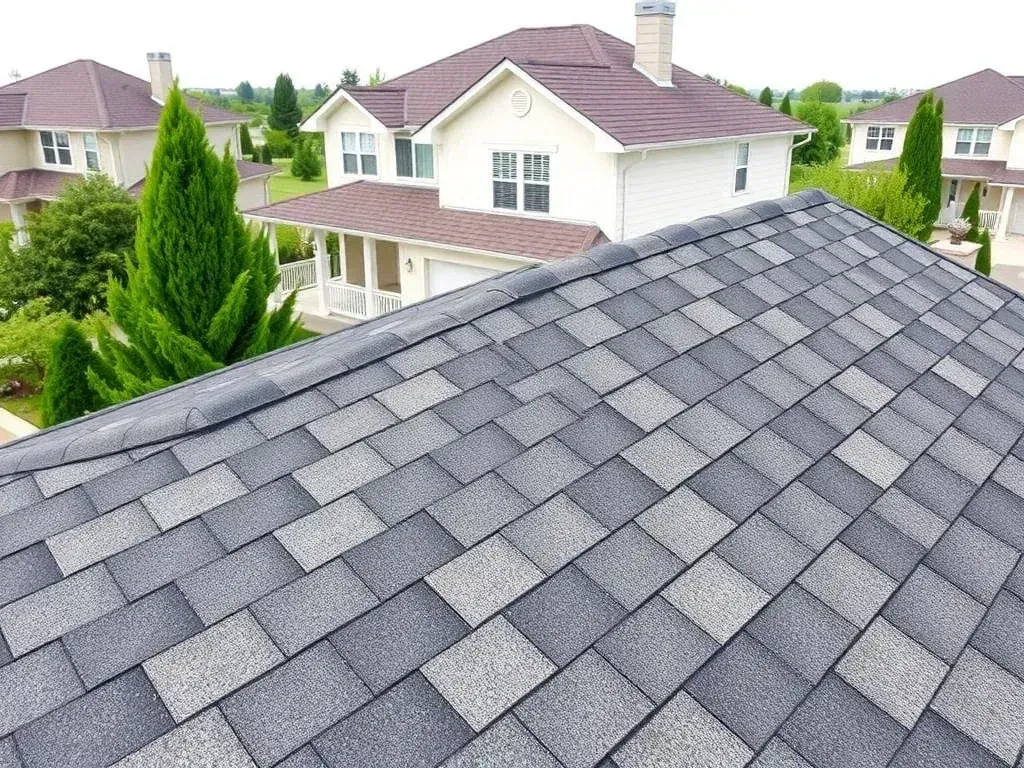
Shingle roofing is the removal and replacement of the asphalt shingle covering on a sloped roof, plus the underlayment, flashing, and trim that keep water out. Most Middle Tennessee homes we open up have one layer of asphalt shingle over felt or a synthetic underlayment.
Once we tear off that layer, we check the roof deck for rot. Soft plywood or OSB sheathing means water has been wicking along the decking for months, and new shingles will not fix that until the substrate is sound.
The parts homeowners never think about matter most, including drip edge at the eave and rake, ice-and-water shield in the valleys, step flashing along sidewalls, and counter-flashing at the chimney.
Shingle Materials and How the Lines Differ
Three-tab shingle is the flat, single-layer strip on older Nashville rooftops. It is thin, it is inexpensive, and hail cracks it faster than anything else we install.
Architectural shingle, often called dimensional or laminated shingle, uses two layers over a heavier fiberglass mat. It resists wind uplift better and gives your roof a deeper shadow line.
- Asphalt shingle is the baseline material: a fiberglass mat coated in asphalt and granulated mineral surfacing that sheds water and blocks UV.
- Architectural shingle carries the heavier mat, which is why most homeowners pick it over three-tab shingle when the budget allows.
- Designer shingle mimics wood shake or slate with a wider profile, and it prices higher per roofing square than standard architectural shingle.
- GAF Timberline HDZ, Owens Corning Duration, and CertainTeed Landmark Pro are the product lines we quote most, and each one carries a manufacturer warranty.
What Shingle Roofing Costs in Middle Tennessee
Cost depends on square footage, roof pitch, how many old layers come off, and whether the deck needs repair. A steep two-story gable takes longer than a low-slope ranch of the same size.
A 1,500 square foot home usually lands somewhere between $8,000 and $14,000 for a full tear-off in architectural shingle. Three-tab bids run lower, and designer shingle pushes the upper end.
- Tear-off adds labor, because every old layer goes into a dumpster instead of staying on the rooftop.
- A recover, or overlay, costs less upfront because we nail new shingle over the existing field course, but it traps heat and hides deck problems.
- Deck repair is billed by the sheet when plywood or OSB has rotted past a patch.
- Roof pitch above 8/12 slows the crew, so we bring scaffold and ladder staging rather than walk the roof.
- Financing spreads a replacement across monthly payments, and we walk you through the options before you sign anything.
- Filing an insurance claim on storm damage can shift part of the cost to your carrier instead of your savings.
How We Scope the Job: Roof Inspection and Roof Estimate
A roof inspection takes about an hour and covers more than the shingles. We check the ridge cap, the pipe boot collars, the gutter line, and the fascia behind it for rot.
Then we write a line-item roof estimate that separates tear-off, materials, and any deck repairs. You see what each part costs instead of one lump number at the bottom of the page.
Warning Signs That Point to Roof Repair or Roof Replacement
Small leaks rarely announce themselves. Water seeps under a lifted shingle, wicks along the decking, and shows up as a brown ring on your ceiling weeks later.
- Missing or loose shingles after a windstorm leave the field course open to rain.
- Granules in gutters and at the end of downspouts mean the shingle is shedding its surface.
- Dark, curled shingle edges show end-of-life wear that no coating will reverse.
- Water stains on ceilings or attic sheathing point to a leak that has already traveled.
- Bruised or dented shingles after hail often hide a fractured mat underneath.
- Moss, mold, and algae streaks hold moisture against the granulated surface all year.
Protecting Your Home During Tear-Off
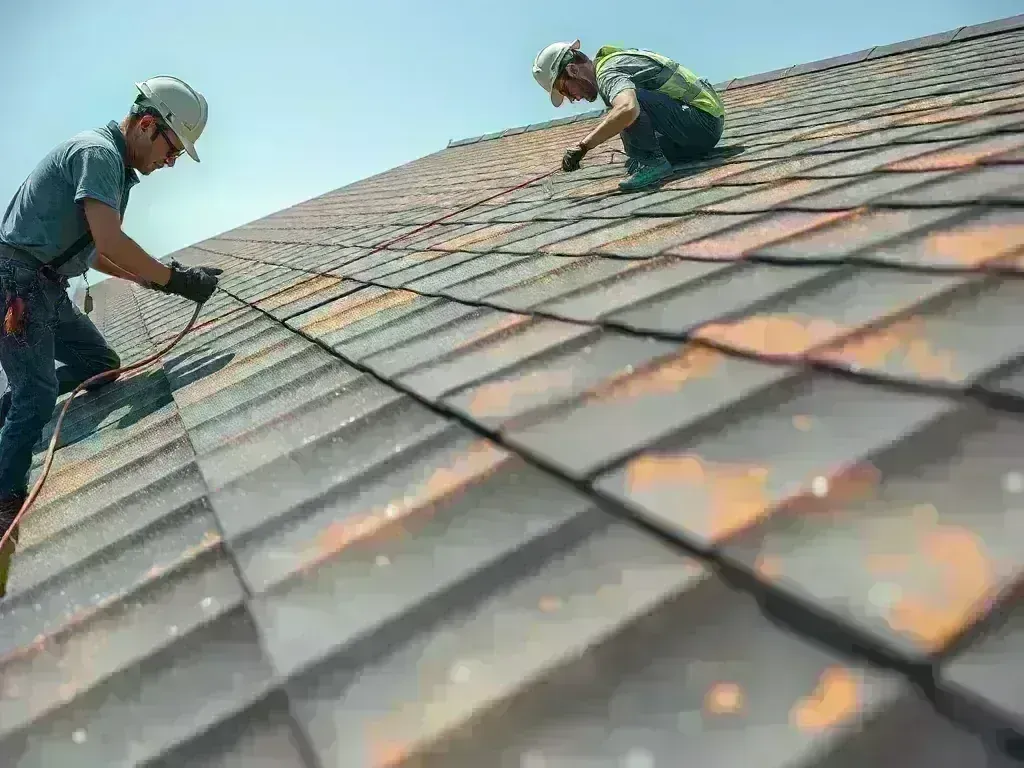
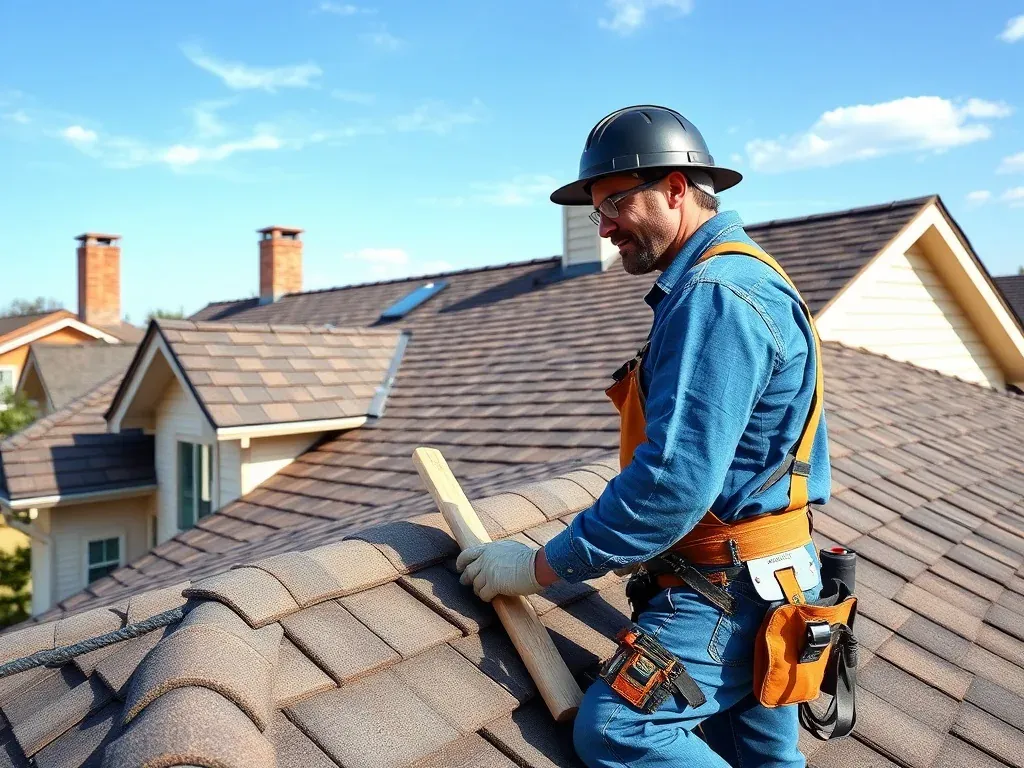
Our crews run a nail gun off an air compressor for speed, then hand-seal the details a gun cannot reach. On steep slopes we set scaffold and ladder staging, and everyone wears a safety harness.
A pry bar and roofing shovel strip old material fast, and it drops straight into a dumpster, so debris never sits in your beds overnight. Then we magnet-sweep the lawn and driveway for nails.
Fastener choice matters more than most homeowners realize. We set ring-shank nails for wind uplift and screws in metal panel, driven flush so nothing is overdriven through the mat.
Ice Dams, Hail, and Heat: Local Conditions That Age a Roof
Spring hail and severe thunderstorms fracture the mat under the shingle, and the damage is often invisible from the ground. Hot, humid summers with intense UV exposure bake the asphalt until granules flake off a little more each year.
Winter ice storms build ice dams at the eave, where snowmelt refreezes and water seeps under the laps. Ice dam removal is a winter call for us, and we use hand tools, because a steam ice machine runs too hot for asphalt shingle.
Ridge vent and soffit vent work with attic insulation to keep the roof deck cold, which is the real cure. An attic fan helps, but ventilation design matters more than one fan on a thermostat.
Flat Sections, Mixed Materials, and Roof Geometry
Not every plane on the property is asphalt. We also work with metal panel, standing-seam panel, and corrugated panel on porches and outbuildings.
Flat sections over a dormer or a low garage usually carry a membrane roof such as TPO, EPDM, or a PVC membrane. Older ones may still have a built-up roof with tar and gravel, or a modified bitumen cap sheet.
Some homes mix systems. A cedar shake or wood shake section on a gable end, or slate, tile, clay tile, or concrete tile on a historic front, needs a roofer who knows those systems drain and fasten differently than asphalt shingle.
Geometry changes the plan too. A hip roof has four planes and no gable end, while a mansard or gambrel needs careful flashing at the break. A canopy or awning over a doorway has its own small overhang.
On low-slope additions, a parapet wall needs coping and a scupper so ponding water can drain. Where the roofline steps, we check the verge and the fascia for rot hiding behind the gutter.
What Sits Under the Shingles
A roof deck sits on rafters and trusses, with a ridge beam at the peak and joists carrying the ceiling below. If that framing has settled or sagged, a new roof will show it.
On older homes the substrate is roofing felt or tar paper, and on newer ones it is a synthetic underlayment. Both are asphalt-saturated, and both age differently than the bitumen in a modified bitumen cap sheet.
Metal panel roofs sit on purlins or on batten and counterbatten strips that hold a drainage plane above the substrate. Ice-and-water shield is a self-adhered membrane with an adhesive backing, so it goes in the valleys and along the eaves where a leak would stay invisible.
On flat work, a modified bitumen cap sheet can be torch-applied, and we keep a fire watch whenever a torch is on the roof.
- Chimney flashing and apron flashing protect the masonry joint where a chimney meets the roof plane.
- Boot flashing seals a pipe boot, and the rubber collar cracks after years of UV exposure.
- A skylight needs curb flashing and a sealant bead we inspect and reseal every few years.
- Vapor barrier and waterproofing keep condensation from rotting the sheathing from underneath.
- Roof cement and mastic are detail materials, not leak fixes, so we seal joints with them and never mask an active leak or hide one under a coating.
- Snow guard rows go above walkways so sliding snow misses the gutter and downspout.
Permits, Code, and Paperwork
Tennessee building code requires an ice barrier at the eaves and drip edge on any re-roof over 25% of the roof, so we pull the permit and post it. Structural changes are different: those need engineer-stamped drawings before any work starts.
You hire a roofing contractor, not just a crew, so the paperwork should be clean. We are licensed and insured, and that matters if someone gets hurt on your property.
We price by the roofing square, 100 square feet of finished roof, so the estimate matches the material order. Every penetration also gets an anchor point and a weatherproofing detail. Caulk alone is not waterproofing.
Choosing a Nashville roofing contractor comes down to clean paperwork, written warranty terms, and a straight answer when you call during a storm. Our roofing services cover both residential and commercial roofing work.
Questions Homeowners Ask About Shingle Roofing
How long does shingle roofing last in Nashville?
Shingle roofing typically lasts 15 to 25 years here, with architectural shingle at the long end and three-tab shingle at the short end. Hail and heat decide it more than the calendar does.
Can you shingle over the old roof instead of tearing it off?
Shingle roofing can sometimes go over one existing layer, which we call a recover. Two layers is the maximum, and we will not overlay a roof with curled shingles or soft decking.
Does insurance cover hail damage to a shingle roof?
Shingle roofing damaged by hail or wind is often covered by homeowner insurance. We document the damage, meet the adjuster, and help with the claim paperwork.
How long does a full replacement take?
Shingle roofing on an average home takes one to three days from tear-off to final cleanup, weather permitting. Steep pitch, deck repair, and extra layers add days.
What warranty comes with the work?
Shingle roofing comes with two warranties: the manufacturer warranty on the shingle itself and our written workmanship warranty on the installation. We put both in writing before work starts.
What's Included
- Tear-off of every existing shingle layer, hauled away in a dumpster and disposed of properly.
- New synthetic underlayment across the full deck, plus ice-and-water shield at the eaves and valleys.
- Roof deck repair where plywood or OSB sheathing shows rot, decay, or soft spots.
- New drip edge at every eave and rake, fastened to code before the starter course goes down.
- Step flashing, counter-flashing, and chimney flashing replaced or resealed at every wall and penetration.
- Ring-shank nails set to the manufacturer's pattern, with a starter course and staggered courses for wind resistance.
- Ridge cap shingles and a ridge vent installed together so the attic can breathe.
- Magnet-swept cleanup, the manufacturer warranty paperwork, and our written workmanship warranty.
Our Shingle Roofing Process
- Step 1: Roof inspection and roof estimate. We walk the roof, photograph the deck, check flashing and ventilation, and hand you a line-item estimate at no cost.
- Step 2: Permits and materials. We pull the permit, confirm building code details, and order shingles, underlayment, and flashing so nothing sits on your lawn waiting.
- Step 3: Tear-off and deck check. The crew strips old shingle, roofing felt, and nails, then replaces any rotted plywood or OSB before anything new goes down.
- Step 4: Underlayment and flashing. Self-adhered ice-and-water shield goes in the valleys and along the eaves, then step flashing, pipe boots, and chimney flashing are set and sealed.
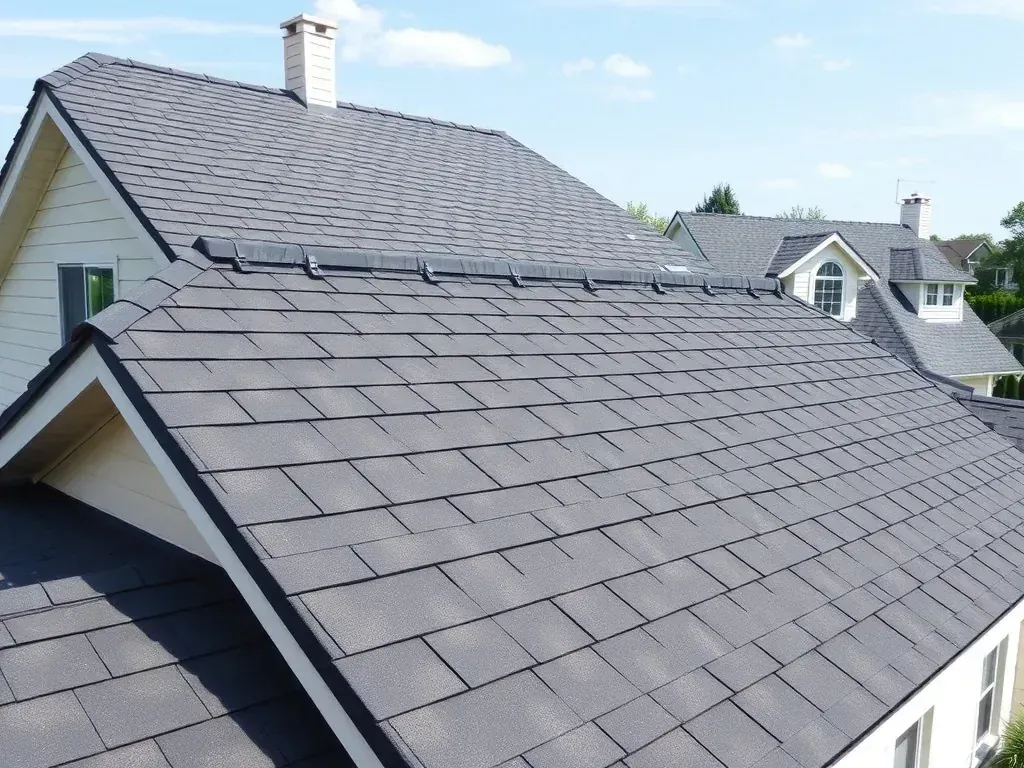
- Step 5: Shingle installation. We nail the starter course, run the field course in staggered courses with ring-shank nails, then cap the ridge with ridge cap shingles and a ridge vent.
- Step 6: Cleanup and walkthrough. We magnet-sweep for nails, haul the debris away, and walk the finished roof with you before final payment.
Signs You Need Shingle Roofing
Warning Signs Your Shingles Are Failing
- Missing or loose shingles after a spring thunderstorm, which leaves the field course wide open to the next rain.
- Granules in gutters and at the bottom of downspouts, a clear sign the granulated surface is wearing down.
- Dark or curled shingle edges along the rake and ridge, where UV exposure hits hardest in a hot Nashville summer.
- Water stains on ceilings or attic sheathing, which means water has seeped past the underlayment and into the decking.
- Bruised or dented shingles after hail, because the impact fractures the mat even when the surface looks intact.
- Ice dam lines at the eave in winter, where meltwater refreezes and wicks under the shingle laps.
- Sagging or spongy spots underfoot, which usually points to decay in the sheathing rather than the shingle itself.
- Daylight showing through the roof boards in the attic, a sign the deck and felt have both failed.
Don't just take our word for it — hear from our satisfied customers.
Our 1920s bungalow in East Nashville had three layers of shingle and two soft sheets of decking. The crew tore it all off, replaced the plywood, and had architectural shingle down in two days. They swept the yard for nails twice before they left.
Dana M., East Nashville
Hail in April dented shingles all over Sylvan Park, and I could not tell which ones were actually cracked. They inspected the roof, photographed the damage for my insurance claim, and handled the paperwork with the adjuster. No pressure, no upselling.
Marcus T., Sylvan Park
Water was staining the ceiling in our Donelson house every time it rained hard. Turned out to be a failed pipe boot and a valley that had lost its ice-and-water shield. The repair was done in an afternoon and the stain never came back.
Priya R., Donelson
Ready to get started? Call us today at 6156160840 for a free estimate.
Free estimates · Licensed & Insured certified · up to 50-year warranty
Call 6156160840